Why Quinoa Is A Healthy Choice For People With Diabetes?
- By Reshma Pathare
- 09 Oct 2025
- Verified by Dr. Pramod Mane
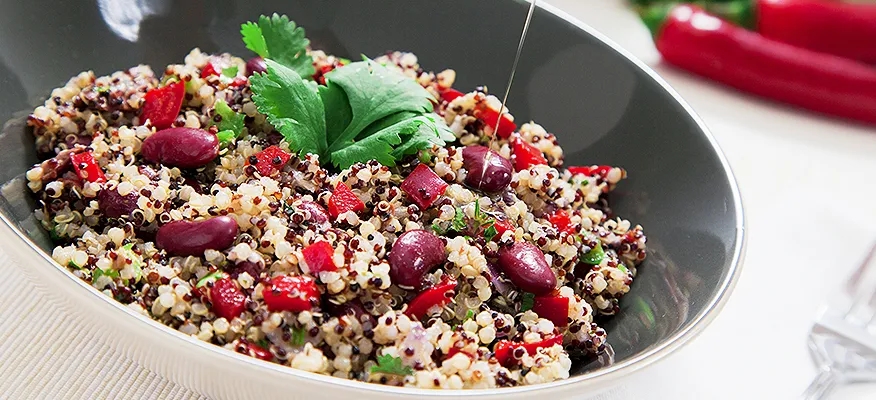
Key takeaways
- Quinoa is a high-protein, gluten-free grain-like seed.
- Its low glycemic index (GI) may help manage blood sugar levels.
- Rich in fiber, quinoa supports digestive health and fullness.
- Quinoa is a nutrient-dense alternative to rice and oatmeal.
- Easy to prepare, it can be included in various diabetic-friendly meals.
- Consider portion control when incorporating quinoa into your diet.
Rate Our Article
We'd love to know!
- 0
- 0
- 0
- 0
Related articles
See AllFrequently asked questions
Get the information you need.
Yes, quinoa is safe for people with diabetes. Its low GI and high fiber content help regulate blood sugar without causing rapid spikes.
Quinoa slows glucose absorption due to its fiber and protein content, leading to gradual blood sugar rises and helping stabilize glucose levels after meals.
Quinoa has a low GI of around 53, which is significantly lower than that of white rice, meaning it causes slower and gentler increases in blood sugar levels.
Yes, quinoa may improve insulin resistance by promoting better glucose metabolism and supporting pancreatic function, reducing insulin secretion burden, and enhancing insulin sensitivity.
A serving of half to one cup cooked quinoa per meal is appropriate for diabetics, balancing nutrient intake without excessive carbohydrates while maintaining blood sugar control.
Yes, quinoa is better than white rice because it has a lower GI, higher protein and fiber content, and beneficial antioxidants for blood sugar control.
Quinoa can be included moderately in low-carb diets due to its fiber and protein content, which slow carbohydrate absorption and make it diabetic-friendly in controlled amounts.
Quinoa provides protein, fiber, antioxidants, vitamins, and minerals that support blood sugar control, cardiovascular health, and reduce inflammation common in diabetes management.
Rinse quinoa well to remove saponins, cook without added sugars or fats, and serve with vegetables and protein to maintain balanced blood sugar levels.
Quinoa is generally safe, though some may experience digestive discomfort initially. Allergic reactions are rare but possible, so monitor tolerance when starting consumption.
Yes, quinoa makes a nutritious breakfast for diabetics, providing sustained energy, protein, and fiber while helping prevent blood sugar spikes and maintaining fullness.
Quinoa is safe and beneficial for type 2 diabetes due to its low GI and nutrient profile that aids blood sugar regulation.
Quinoa is better than rice for diabetics due to its lower GI, higher protein, fiber, and antioxidant content that help stabilize blood glucose.
Diabetics can consume one to two cups of cooked quinoa daily, divided over meals, supporting blood sugar control while providing essential nutrients without excess carbohydrates.
Yes, quinoa helps control blood sugar by slowing glucose release, reducing insulin spikes, improving insulin sensitivity, and providing fiber and antioxidants that support metabolic health.
How was the experience with article?
We'd love to know!