Gas Forming Foods: What To Eat And What To Avoid
- By Cheng Kar Yeng
- 22 Apr 2026
- Verified by Dr Adwoa Agyei-Nkansah
Key takeaways
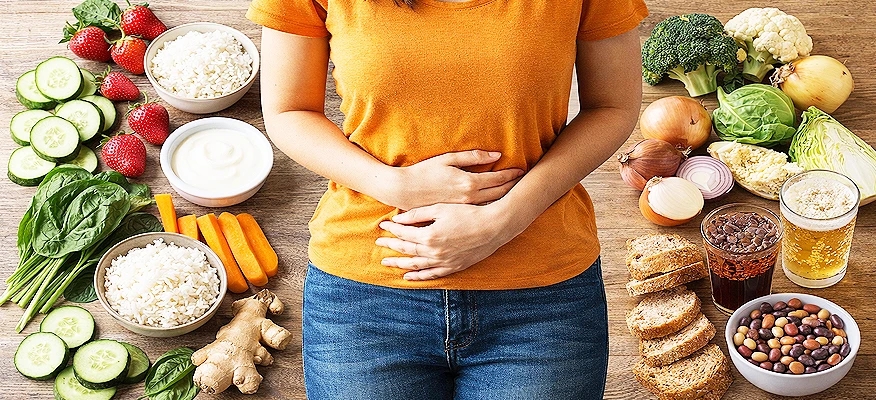
- Gas-forming foods contain carbohydrates that ferment in your colon.
- Beans, onions, dairy, certain fruits, and sugar alcohols commonly trigger bloating.
- Food preparation methods like soaking and sourdough fermentation reduce gas potential.
- Probiotic strains can lower bloating in some individuals.
- Persistent or severe gas with warning signs requires medical evaluation.
Rate Our Article
We'd love to know!
- 0
- 0
- 0
- 0
- Gas-Related Symptoms in the General Population: Prevalence, Impact and Associated Factors in a Survey of the United States, the United Kingdom, and Mexico - PubMed
- Gas and Bloating - PMC
- Bloating and functional gastro-intestinal disorders: Where are we and where are we going? - PMC
- Abdominal Bloating: Pathophysiology and Treatment - PMC
- Spatial regulation of alpha-galactosidase activity and its influence on raffinose family oligosaccharides during seed maturation and germination in Cicer arietinum - PMC
- Dietary fructose intolerance, fructan intolerance and FODMAPs - PMC
- Hydrogen Breath Tests in Gastrointestinal Diseases - PMC
- Intestinal gas dynamics: mechanisms and clinical relevance - PMC
- Prebiotics: Definition, Types, Sources, Mechanisms, and Clinical Applications - PMC
Related articles
See AllFrequently asked questions
Get the information you need.
Certain carbohydrates escape digestion in your small intestine and travel to your colon, where bacteria ferment them. That fermentation releases gas. If transit is fast or your gut is sensitive, you feel pressure and bloating more intensely, even when the amount of gas is normal.
Vegetables high in raffinose or fructans tend to cause more gas. Broccoli, cabbage, cauliflower, Brussels sprouts, onions, and garlic are common triggers. Your body lacks enzymes to fully break down some of these sugars, so bacteria ferment them and produce gas.
Some fruits do. Apples, pears, mangoes, and stone fruits contain excess fructose or sorbitol, which are absorbed poorly and ferment quickly. Some of these sugars are fermented by bacteria and generate gas because your body lacks the enzymes necessary to completely break them down.
Yes, particularly if you have decreased lactase levels. Lactose enters your colon undigested and ferments if you don't have enough lactase. This results in bloating, gas, and even diarrhea. These symptoms are frequently greatly lessened by lactose-free products or lactase tablets.
Beans contain galacto-oligosaccharides that your body cannot digest. Every molecule reaches your colon, where bacteria rapidly ferment it. This produces hydrogen and other gases. Soaking, sprouting, and pressure cooking beans can noticeably reduce their gas-forming potential.
Gas in your stomach often comes from swallowed air rather than fermentation. Eating quickly, chewing gum, or drinking carbonated beverages introduces air. Large, fatty meals can also slow stomach emptying, making trapped air feel more uncomfortable.
Whole grains contain fiber and sometimes fructans. If you increase them quickly, bacteria ferment the extra fiber and produce more gas. When you introduce whole grains gradually and hydrate well, your gut usually adapts and symptoms decrease over time.
Sorbitol, xylitol, and maltitol are among the several sugar alcohols that have limited absorption. They cause gas and bloating by drawing water into your gut and fermenting in the colon. If you are sensitive, even small amounts of sugar-free gum or sweets might cause symptoms.
Yes. Carbonated drinks contain dissolved carbon dioxide. When you drink carbonated drinks, that gas is released into your stomach. Some escape as belching, but some move downward, increasing pressure and bloating, especially if you drink them quickly.
Meals high in fermentable carbohydrates often cause symptoms shortly after eating. Beans, onions, garlic, high fructose fruits, dairy if lactose intolerant, and foods with polyols are common triggers. Your individual tolerance determines how strongly you feel the effects.
How was the experience with article?
We'd love to know!