Foods To Avoid For Fatty Liver
- By Chai Jie Qi
- 13 Mar 2026
- Verified by Dr. Pramod Mane
Key takeaways
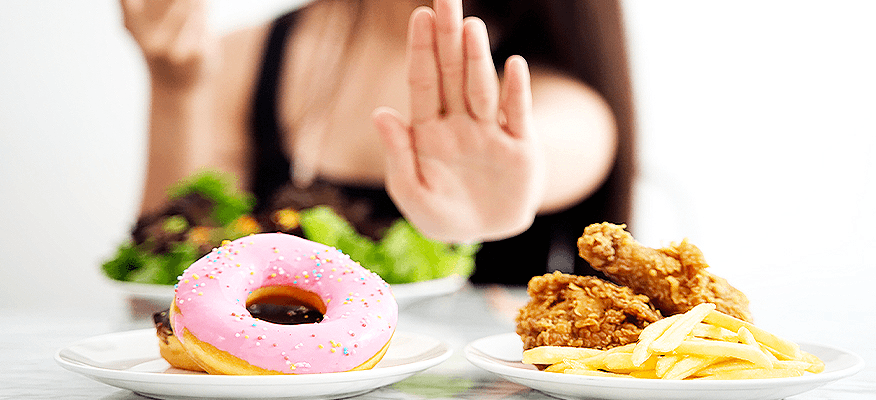
- Fatty liver develops quietly from excess sugar, refined carbs, and unhealthy fats. Early awareness and better food choices are essential for prevention and reversal.
- What you eat directly affects liver function. High-fructose foods, saturated fats, and processed items promote fat buildup and insulin resistance.
- Steady changes — whole foods, portion control, hydration, weight management, and regular checkups — allow the liver to heal over time.
Rate Our Article
We'd love to know!
- 0
- 0
- 0
- 0
- Definition & Facts of NAFLD & NASH
- Dietary recommendations for patients with nonalcoholic fatty liver disease
- Ultra-Processed Food Intake Is Associated with Non-Alcoholic Fatty Liver Disease in Adults: A Systematic Review and Meta-Analysis
- The role of nutrition in non-alcoholic fatty liver disease: Pathophysiology and management
Related articles
See AllFrequently asked questions
Get the information you need.
Fatty liver was traditionally called NAFLD (Non-Alcoholic Fatty Liver Disease). Many experts now use MAFLD (Metabolic Dysfunction-Associated Fatty Liver Disease) to better reflect its link to insulin resistance, obesity, and metabolic health. The condition is largely the same — the name has evolved.
Yes, you can actually reverse your fatty liver with clear and strategic dietary choices; however, it also depends on the stage of fatty liver one might be experiencing. The liver starts healing on its own when there is no overpressure on it and no extra fat is affecting it. Eating less sugar, refined carbs, and unhealthy fats reduces fat storage in the liver. At the same time, whole foods help the liver burn stored fat more efficiently.
Eggs are usually fine for a fatty liver, as long as the quantity and method of preparation are taken into account. One may go for an egg a day, which is boiled and not fried. They are actually a good source of protein for the liver, but the yolk can deteriorate the cholesterol, so one may even leave that.
Some improvements can start within a few weeks of changing your diet. Liver enzymes may begin to improve within one to three months. Fat reduction in the liver usually takes longer and depends on consistency, weight loss, and overall habits. The liver responds gradually, so steady progress is more realistic than rapid change.
A fatty liver has no significant symptoms of its own. However, when one starts experiencing the signs, they may have ongoing tiredness, discomfort, or heaviness in the upper right side of the abdomen, and unexplained weight gain or difficulty losing weight.
Yes, fatty liver can sometimes cause nausea, especially after heavy or fatty meals. When the liver is overloaded, digestion can feel slower and uncomfortable. Not everyone experiences nausea, but it can happen in some people as liver function becomes strained.
How was the experience with article?
We'd love to know!