What Is the Blue Zone Diet and How Does It Work?
- By Dr. Pramod Mane
- 12 Dec 2022
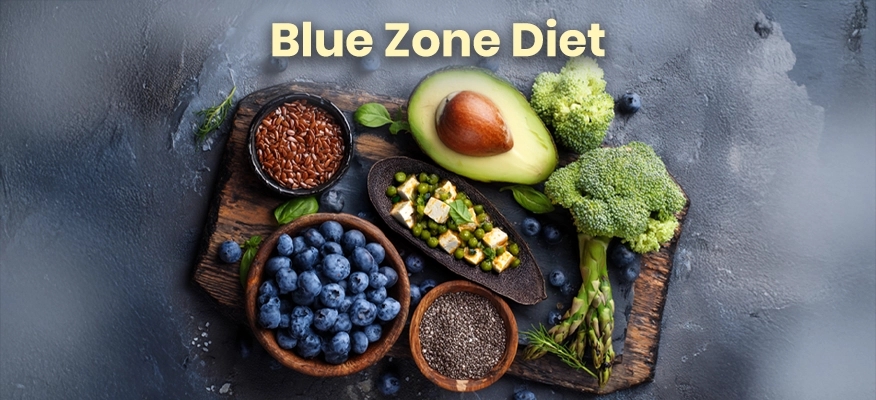
Key takeaways
- Blue Zones are geographic regions known for having a high concentration of centenarians, or people who live exceptionally long lives. The Blue Zones include Loma Linda, CA, USA; Nicoya, Costa Rica; Sardinia, Italy; Ikaria, Greece; and Okinawa, Japan.
- Following the Blue Zone diet and lifestyle can lead to improved health, happiness, and potentially increased lifespan. It involves making simple changes to daily habits and routines.
- This article emphasises plant-based diet, with 95% of food coming from plant sources and only 5% from animal sources, as well as guidelines on limiting meat and dairy, consuming fish in moderation, eating beans daily, snacking on nuts, limiting added sugars, choosing whole foods, and staying hydrated.
- The Okinawan mantra "Hara Hachi Bu" advocates for stopping eating when 80% full, promoting calorie control and preventing overeating.
- Overall, the article highlights the key principles of longevity observed in Blue Zone populations, emphasizing the importance of diet, portion control, sleep, physical activity, and stress management in promoting health and longevity.
Rate Our Article
We'd love to know!
- 0
- 0
- 0
- 0
- Buettner D, Skemp S. Blue Zones: Lessons From the World's Longest Lived. Am J Lifestyle Med. 2016 Jul 7;10(5):318-321.
- 10 Blue Zones Food Guidelines Available. Accessed on 6 August 2021
- Gebel K, et al. Effect of Moderate to Vigorous Physical Activity on All-Cause Mortality in Middle-aged and Older Australians. JAMA Intern Med. 2015 Jun;175(6):970-7
- Lee IM, et al. Associations of light, moderate, and vigorous-intensity physical activity with longevity. The Harvard Alumni Health Study. Am J Epidemiol. 2000 Feb 1;151(3):293-9.
Related articles
See AllFrequently asked questions
Get the information you need.
The foundation of the Blue Zone Diet is plant-based foods. Common staples include beans, lentils, and soy, along with vegetables, whole grains, fruits, and nuts. Olive oil and seeds are used as main sources of healthy fats. People in Blue Zone regions also enjoy herbs, spices, and seasonal produce, which add flavor and nutrients without relying on processed ingredients.
Dairy is kept to a minimum in the Blue Zone Diet. While some regions may consume small amounts of goat’s or sheep’s milk products, most people limit cow’s milk, butter, and cheese. Instead, calcium and protein come from beans, leafy greens, soy, and nuts, which are easier to digest and provide additional health benefits.
Beans are considered the cornerstone of the Blue Zone Diet and are eaten daily in all Blue Zone regions. They are rich in plant-based protein, fiber, vitamins, and minerals, making them highly filling and nutritious. Eating beans regularly has been linked to longer life expectancy, better heart health, stable blood sugar, and improved digestion.
The diet promotes longevity by reducing chronic disease risks and supporting overall wellness. It’s rich in antioxidants, fiber, and healthy fats, which protect the heart, brain, and immune system. Combined with lifestyle habits such as daily movement, strong social connections, and stress management, the Blue Zone Diet helps people live not only longer but also healthier lives.
Yes, weight loss can happen naturally on the Blue Zone Diet. Because it’s rich in fiber and plant-based foods while low in processed items and added sugars, it supports healthy digestion and prevents overeating. The “80% full” rule, practiced in places like Okinawa, also helps avoid excess calories and promotes sustainable weight management.
The Blue Zone Diet is generally safe and beneficial for most people since it focuses on whole, nutrient-dense foods. However, individuals who rely heavily on meat or dairy may need time to adjust. Also, because it limits animal products, it’s important to monitor nutrients like vitamin B12, calcium, and iron. Fortified foods or supplements can help fill these gaps if needed.
Start by making small changes rather than overhauling your diet overnight. Replace processed snacks with nuts or fruit, eat beans daily, swap refined grains for whole grains, and use olive oil instead of butter. Focus on simple, home-cooked meals and aim to stop eating when you’re about 80% full. Beyond food, try to stay active, connect with loved ones, and manage stress—these lifestyle habits are equally important in the Blue Zone way of living.
Yes, the Blue Zone Diet is supported by studies of communities where people live significantly longer lives with fewer chronic diseases. Researchers like Dan Buettner and others have analyzed dietary surveys, health outcomes, and lifestyle habits in places like Okinawa (Japan), Sardinia (Italy), Nicoya (Costa Rica), Ikaria (Greece), and Loma Linda (California). They found common patterns — especially diets high in whole, plant-based foods, and low in processed foods, meat, and added sugars — that correlate with lower rates of heart disease, obesity, diabetes, and other chronic conditions.
In a Blue Zone Diet, most of what you eat is plant-based: vegetables, fruits, whole grains, beans/legumes, nuts, and seeds. Foods like sweet potatoes, leafy greens, and seasonal produce are staples. Healthy fats like olive oil are used. Meat is used only a few times a month — often more as a flavoring or small side than as the main component. Fish and dairy are limited; if dairy is consumed, it’s often goat or sheep dairy rather than large amounts of cow’s milk. Eggs are eaten sometimes, but not every day. Processed foods, sugary snacks, and refined grains are minimized.
Diet is just one part of what makes Blue Zones populations live longer and healthier lives. Other habits include regular, natural movement (walking, gardening, doing daily chores); strong social connections and community; managing stress with relaxation, naps, or rituals; having a sense of purpose; getting adequate sleep; and eating mindfully (for example, eating until ~80% full). These lifestyle traits work together with diet to reduce inflammation, improve mental health, heart health, immunity, and overall well-being.
How was the experience with article?
We'd love to know!