Why Do I Have Pain In The Back Of My Head?
- By Dr. Pramod Mane
- 31 Mar 2026
- Verified by Dr. Stefanenko Irina Borisovna
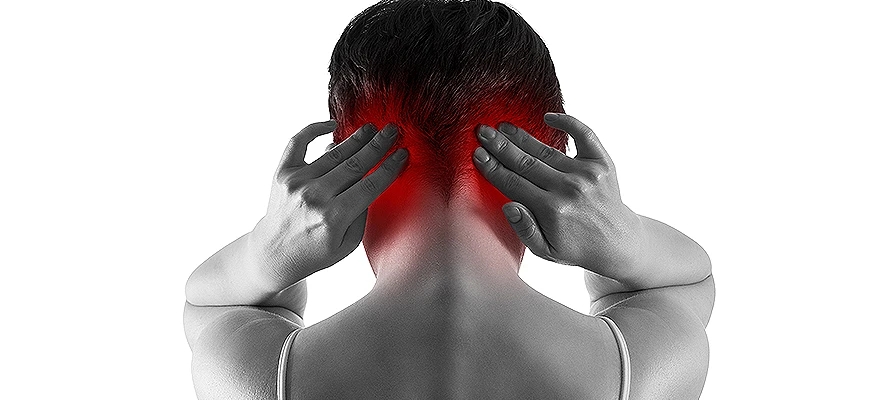
Key takeaways
- Pain in the back of the head often stems from muscle strain, posture, or stress.
- Symptoms can include neck stiffness and headaches spreading to the temples.
- Most pain is manageable with lifestyle adjustments, but persistent issues need medical advice.
Rate Our Article
We'd love to know!
- 0
- 0
- 0
- 0
Related articles
See AllFrequently asked questions
Get the information you need.
Pain at the base of your skull often stems from tight neck muscles, nerve irritation like occipital neuralgia, or poor posture from long hours on devices.
Yes, neck strain from hunching over work or carrying heavy bags can compress occipital nerves, shooting sharp pain in the back of the head.
It is usually not serious if occasional. However, persistent pain in the back of the head may signal nerve issues or tension requiring medical attention.
Occipital neuralgia is irritation of the occipital nerves, causing sharp, electric-shock-like pain from the skull base to behind the eyes, worsened by head movement.
Yes, stress tenses neck muscles, irritates nerves, and triggers pain in the back of the head.
At night, poor pillow support or the day's built-up tension strains neck muscles, intensifying nerve pain in the back of the head.
Apply warm compresses to your neck, gently massage tight muscles, rest quietly, and take ibuprofen for quick relief of head pain.
Seek a doctor if pain is severe, sudden, with vision changes, nausea, or lasts over a week. Early care prevents bigger health issues.
How was the experience with article?
We'd love to know!