Understanding Pain: A Complete Guide To Causes, Relief And Prevention
- By Dr. Jatin Bhide
- 30 Mar 2026
- Verified by Dr. Stefanenko Irina Borisovna
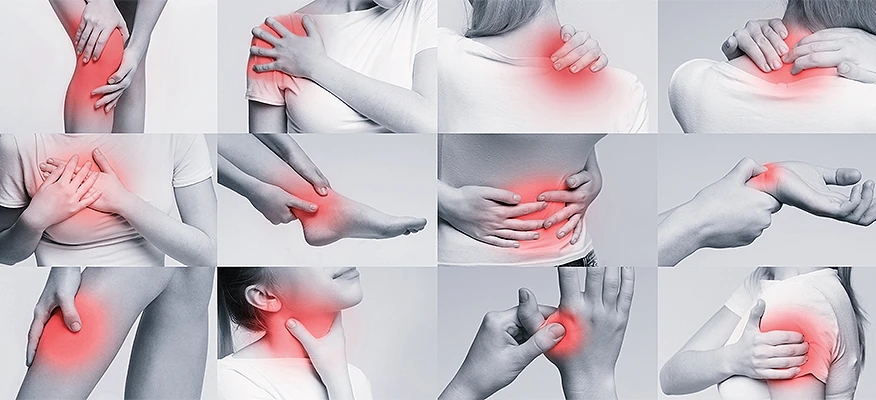
Key takeaways
- Pain is your body’s warning system. It signals injury, inflammation, or stress and helps protect you from further harm by prompting rest or corrective action.
- Acute, chronic, nociceptive, neuropathic, and inflammatory pain have different causes and may require different treatment approaches.
- Good posture, regular movement, balanced nutrition, hydration, stress management, and timely medical advice can help reduce pain and prevent it from becoming chronic.
Rate Our Article
We'd love to know!
- 0
- 0
- 0
- 0
Related articles
See AllFrequently asked questions
Get the information you need.
Daily pain often stems from muscle strain, poor posture from long work hours, or joint stress from carrying heavy loads, common challenges for active women managing homes and careers.
Yes, stress triggers muscle tension, headaches, and back pain by releasing hormones that tighten muscles. Family pressures and busy schedules commonly contribute to this physical response.
Rest, gentle stretching, and proper hydration offer effective natural pain relief, easing muscle cramps and headaches without medication, perfect for managing your active lifestyle.
Avoid painkillers if pregnant, have stomach ulcers, kidney issues, or take other medications. Always consult a healthcare provider first, especially when managing multiple health concerns.
Turmeric, ginger, fatty fish, berries, and green leafy vegetables naturally reduce inflammation. These anti-inflammatory foods support joint health and muscle recovery through proper nutrition.
Yes, dehydration causes dull headaches and muscle cramps by shrinking brain tissue and disrupting electrolyte balance. This commonly happens during busy schedules when water intake decreases.
Acute pain is short-term, lasting days to weeks after injury. Chronic pain persists for over three months, including ongoing backaches, requiring long-term management strategies.
How was the experience with article?
We'd love to know!