Understanding Back Pain in Pregnancy: What You Need to Know
- By Dr. Pulyk Nataliya Omelanivna
- 24 Jul 2024
- Verified by Dr. Kulyk Alexander Petrovich
Key takeaways
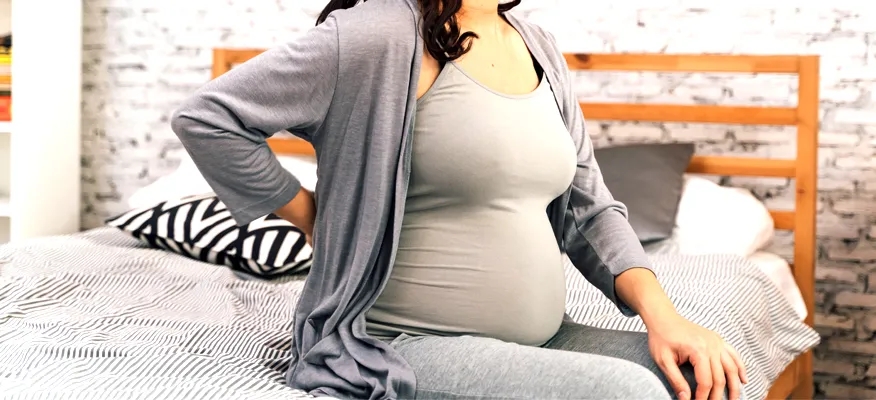
- 50 to 80 percent of pregnant women experience back pain due to hormonal changes and extra weight.
- Maintaining good posture, exercising, and using support pillows can significantly reduce back pain during pregnancy.
- Pregnant women may encounter lumbar pain or pelvic girdle pain, affecting daily activities and overall comfort.
- Simple measures like heating pads, warm baths, and prenatal massages can provide relief from pregnancy pains.
- Immediate medical attention should be sought for symptoms like severe back pain, vaginal bleeding, or sudden fluid discharge, as these could signal complications.
- Using maternity support belts, choosing low-heeled shoes, and adopting proper lifting techniques can help manage back pain.
- Making simple changes in daily routines, such as using a firm chair and resting adequately, can enhance comfort during pregnancy.
Rate Our Article
We'd love to know!
- 0
- 0
- 0
- 0
Related articles
See AllFrequently asked questions
Get the information you need.
Back pain during pregnancy is caused by a combination of hormonal changes, weight gain, and shifts in posture. The hormone relaxin loosens the ligaments and joints in the pelvic region, preparing the body for childbirth but also making the spine less stable. As the baby grows, the added weight increases strain on the lower back muscles. Additionally, the expanding uterus shifts the center of gravity forward, which can alter posture and further contribute to discomfort. Emotional stress can also play a role, as it may lead to muscle tension and spasms in the back.
Back pain can occur at any stage of pregnancy, but many women begin to notice discomfort in the first trimester due to hormonal changes and early uterine growth. It often becomes more pronounced during the second and third trimesters as the baby gains weight and the uterus expands further, putting extra pressure on the lower back and pelvis. Pelvic girdle pain typically peaks around the fifth to seventh months of pregnancy, while lumbar discomfort may persist throughout.
Pregnancy-related back pain generally falls into two categories: lumbar pain and pelvic girdle pain (PGP). Lumbar pain occurs in the lower back and may radiate down the legs, often caused by the spine bearing additional weight. Pelvic girdle pain is felt in the hips, pelvis, or across the tailbone and can make activities such as standing, walking, or turning in bed difficult. PGP may also lead to bladder discomfort or leg pain. Understanding the type of pain is important to manage it effectively and safely.
Natural relief methods for back pain include maintaining good posture, using supportive pillows, practicing gentle stretching, and taking warm baths. Heating pads or ice packs applied to sore areas can help reduce inflammation and ease muscle tension. Prenatal massages from trained professionals can also provide significant relief. Staying active with low-impact exercises such as swimming, walking, or prenatal yoga strengthens back and core muscles, reducing pain. Proper footwear, ergonomic seating, and avoiding heavy lifting further support comfort during pregnancy.
Yes, there are safe exercises that help alleviate back pain while strengthening the supporting muscles. Pelvic tilts, Kegel exercises, gentle stretching, and walking are highly recommended. Sitting on an exercise ball and rocking gently can improve core stability and posture. It is important to avoid high-impact activities or exercises that involve twisting the spine, heavy lifting, or lying flat on the back for long periods during the later trimesters. Consulting a healthcare provider before starting any exercise routine is always advised.
You should seek medical attention if back pain is severe, persistent, or accompanied by red-flag symptoms such as vaginal bleeding, sudden fluid discharge, painful contractions, numbness or weakness in the legs, or difficulty urinating. These could indicate complications like preterm labor, placental issues, or nerve compression. Regular prenatal check-ups are crucial to monitor fetal health and to address any back pain concerns promptly.
Yes, maternity support belts are designed to relieve strain on the lower back and abdomen by redistributing weight more evenly. They can improve posture, stabilize the pelvis, and reduce discomfort during activities such as walking, standing, or lifting. Various styles are available, including over-the-clothes belts and undergarment belts. Choosing a well-fitted belt and using it as recommended can provide significant comfort and support throughout pregnancy.
Back pain at night is common due to increased pressure on the spine and pelvis, fluid retention, and hormonal changes that loosen ligaments. Sleeping positions can influence discomfort—lying on the back can exacerbate pressure on the lower back, especially in the third trimester. Using a firm mattress, placing a pillow between the knees, or under the belly, and sleeping on the side can improve alignment and reduce nighttime back pain.
Weight gain during pregnancy adds significant stress to the spine, muscles, and ligaments of the back. The added weight shifts the body’s center of gravity forward, forcing the lower back muscles to work harder to maintain balance. This increased muscular strain, combined with loosening ligaments due to hormonal changes, can lead to persistent pain in the lumbar region and pelvis. Maintaining a healthy weight through proper nutrition and safe exercise can help minimize discomfort.
Some pain medications can be used safely under medical supervision, but many over-the-counter options are restricted during pregnancy. Paracetamol (acetaminophen) is generally considered safe for short-term use, but NSAIDs like ibuprofen are usually avoided, especially in the third trimester, due to potential risks to the fetus. It is essential to consult a healthcare provider before taking any medication for back pain to ensure both maternal and fetal safety.
Yes, poor posture significantly contributes to back pain during pregnancy. Slouching while sitting or standing increases strain on the spine and pelvic muscles. Maintaining proper alignment, using chairs with firm support, keeping shoulders relaxed, and distributing weight evenly while standing or lifting objects can help prevent additional strain and reduce the severity of back pain.
Lifestyle adjustments can play a major role in preventing back pain. Wearing supportive shoes, avoiding high heels, lifting objects correctly by bending at the knees, and distributing weight evenly when carrying items are all effective strategies. Incorporating gentle exercise, maintaining a healthy weight, using maternity support pillows, and practicing relaxation techniques such as meditation or prenatal yoga can also help manage and prevent back pain.
Yes, pelvic girdle pain (PGP) is distinct from general lower back pain. While lumbar pain is centered in the spine and may radiate down the legs, PGP affects the hips, pelvis, and lower back, making daily activities like walking, climbing stairs, or rolling in bed challenging. PGP may also be associated with bladder discomfort and leg pain. Proper diagnosis and targeted exercises are important for managing PGP effectively.
Absolutely. Emotional stress can lead to increased muscle tension and spasms in the back, intensifying discomfort. Stress hormones may affect the body’s pain perception, making existing aches feel more severe. Incorporating stress management strategies such as meditation, deep breathing exercises, prenatal yoga, or gentle relaxation routines can help reduce both mental and physical tension, providing relief from back pain.
Sleeping positions have a significant impact on back pain. Lying flat on the back can put extra pressure on the spine and major blood vessels, especially in later trimesters. The best position is lying on the side with a pillow between the knees and, if necessary, another pillow under the abdomen for support. This alignment helps reduce strain on the lower back and pelvis, improving sleep quality while minimizing discomfort.
How was the experience with article?
We'd love to know!