Best Pregnancy Stretches For Pain Relief And Flexibility
- By Dr. Kulyk Alexander Petrovich
- 16 Oct 2025
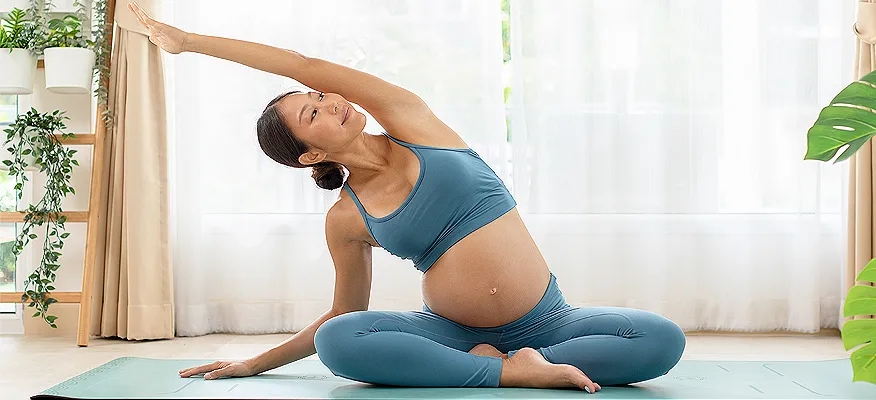
Key takeaways
- Stretching during pregnancy can ease discomfort and improve flexibility.
- Safe stretching is crucial, especially as hormonal changes affect your body.
- Pregnancy stretches can help relieve back and joint pain.
- Tailor stretches for each trimester to ensure comfort and safety.
- Postpartum stretches aid recovery and help regain flexibility.
Rate Our Article
We'd love to know!
- 0
- 0
- 0
- 0
Related articles
See AllFrequently asked questions
Get the information you need.
Yes, gentle pregnancy stretches are generally safe during all trimesters. However, be mindful of body changes and avoid positions causing discomfort, especially in the third trimester.
Pelvic tilts, cat-cow stretches, and gentle hamstring stretches effectively relieve back pain by reducing muscle tension and improving posture during pregnancy.
Yes, regular stretching improves flexibility and muscle tone, which can ease labor and delivery while promoting relaxation and reducing muscle tightness.
Aim for daily stretching sessions. Start with a few repetitions and gradually increase to about 10 per stretch. Consistency matters, but listen to your body.
Yes, prenatal yoga-style stretches are safe when modified to avoid deep twists, backbends, and positions that strain the abdomen or require back-lying.
Avoid deep backbends, intense twists, overstretching, and lying flat on your back after the first trimester. Skip any stretch causing pain or dizziness.
Yes, regularly stretching calf muscles can help reduce leg cramps, which are especially common during the third trimester of pregnancy.
Pregnancy stretches are beneficial any time, but mornings and evenings may be ideal to relieve stiffness and improve circulation after rest.
Yes, a gentle warm-up like walking or marching in place helps prepare muscles and reduces the risk of injury before stretching during pregnancy.
Yes, targeted pregnancy stretches strengthen back and abdominal muscles, helping maintain better posture and reduce strain on your spine throughout pregnancy.
Only with your healthcare provider's approval. Some high-risk pregnancies may require avoiding certain stretches or limiting physical activity entirely.
No special equipment is essential, but props like a yoga mat, chair, fitness ball, or support cushions can enhance comfort and safety.
Yes, gentle hip openers and pelvic tilts can ease pelvic discomfort and improve mobility by releasing tight muscles during pregnancy.
Hold pregnancy stretches gently for about 20-30 seconds without bouncing, allowing muscles to relax fully and avoid strain or injury.
Yes, stretching promotes relaxation and eases muscle tension, which may improve sleep quality when done calmly before bedtime during pregnancy.
Avoid lying flat on your back after the first trimester to prevent pressure on major blood vessels. Use side-lying or supported positions.
You can modify your routine to suit pregnancy changes, avoiding intense stretches and positions that feel uncomfortable or cause strain.
Yes, relaxin loosens ligaments, increasing flexibility and also the risk of overstretching. Stretch gently during pregnancy and avoid forcing your range of motion.
Stop if you experience pain, bleeding, dizziness, contractions, or fluid leakage during or after pregnancy stretches, and seek medical advice immediately.
How was the experience with article?
We'd love to know!