Joint Pain During Pregnancy: Causes, Treatment, And Prevention
- By Cheng Kar Yeng
- 28 Oct 2025
- Verified by Dr. Kulyk Alexander Petrovich
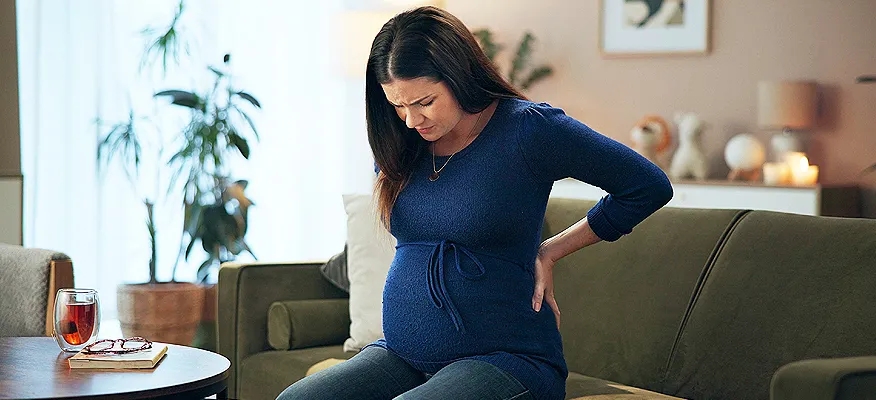
Key takeaways
- Joint pain during pregnancy commonly affects the hips and lower back.
- Hormonal changes and increased weight can contribute to joint discomfort.
- Safe treatment includes gentle exercises and physician-approved therapies.
- Certain remedies and activities should be avoided to prevent harm.
- Simple lifestyle adjustments can aid in preventing joint pain during pregnancy.
Rate Our Article
We'd love to know!
- 0
- 0
- 0
- 0
- Pelvic girdle pain in pregnancy and early postpartum – prevalence and risk factors in a multi-ethnic cohort
- Pregnancy Pains & Discomfort: Types & Relief
- Rheumatoid arthritis: Does pregnancy affect symptoms?
- What causes ankle swelling during pregnancy — and what can I do about it?
- Sudden joint and extremity pain in pregnancy - PubMed
Related articles
See AllFrequently asked questions
Get the information you need.
Yes, joint pain during pregnancy is common due to hormonal changes like the increase of relaxin and progesterone, weight gain, and shifting posture, which increase stress on joints and loosen ligaments.
The hips, knees, lower back, pelvis, and ankles are most commonly affected due to increased weight bearing and ligament relaxation throughout pregnancy.
Consult your doctor if joint pain during pregnancy is severe, persistent, limits mobility, or comes with swelling, numbness, or fever, indicating potential complications.
Joint pain alone rarely signals complications, but severe pelvic pain or instability could indicate conditions like symphysis pubis dysfunction requiring medical evaluation.
Safe relief includes gentle prenatal exercises, proper rest, supportive footwear, maintaining a healthy weight, warm compresses, and avoiding strenuous activities that strain joints.
Acetaminophen is generally considered safe during pregnancy, but always consult your healthcare provider before taking any pain medication for joint pain.
Yes, prenatal yoga improves flexibility, strengthens muscles, reduces joint stiffness, and helps manage pain safely when guided by a knowledgeable instructor.
Warm compresses can safely ease joint stiffness and pain, but avoid high heat or prolonged exposure to prevent burns or overheating.
For most women, joint pain during pregnancy decreases or resolves after childbirth as hormone levels normalize and body weight returns to normal.
A balanced diet rich in anti-inflammatory foods, calcium, and vitamin D supports joint health and may reduce pain by maintaining bone strength.
Prenatal massage from a trained therapist is generally safe and can relieve joint pain, improve circulation, and reduce muscle tension during pregnancy.
Wear supportive, well-cushioned shoes with good arch support and low heels to reduce joint stress as weight and balance change during pregnancy.
Avoid high-impact, strenuous, or twisting movements like running on hard surfaces or heavy weightlifting; focus on low-impact, controlled exercises instead.
Joint pain during pregnancy usually doesn't affect labor directly, but severe pelvic instability might influence mobility and require medical attention for management.
How was the experience with article?
We'd love to know!