Nourishing Your Pregnancy: The Best Fruits for Expecting Mothers
- By Deborah Onoja
- 25 Jul 2024
- Verified by Dr. Kulyk Alexander Petrovich
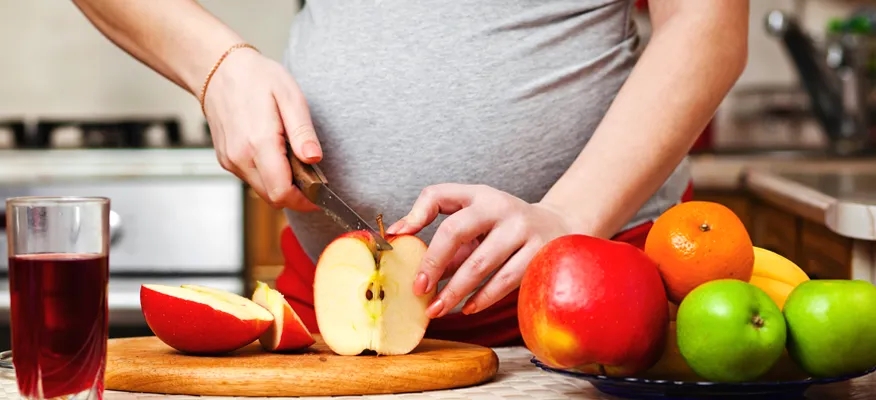
Key takeaways
- Fruits offer a wide range of essential nutrients like vitamins, minerals, and fiber necessary for pregnancy.
- Specific fruits like citrus, bananas, and avocados are particularly beneficial in the first trimester for their folate and vitamin content.
- Vitamin-rich fruits such as apples and mangoes support the baby's growth and the mother's health in the second trimester.
- In the third trimester, fruits like dates and watermelon provide energy and aid hydration for birth preparation.
- A balanced variety of fruits is crucial throughout pregnancy, and dietary plans should be tailored with professional guidance.
Rate Our Article
We'd love to know!
- 0
- 0
- 0
- 2
Related articles
See AllFrequently asked questions
Get the information you need.
Most fruits are safe during pregnancy, but a few require caution. Unwashed fruits or those with pesticide residue should be avoided due to contamination risks. Papaya—especially unripe or semi-ripe—contains latex, which may trigger uterine contractions. Excess pineapple is also discouraged early in pregnancy because bromelain may soften the cervix, though normal food amounts are safe. Grapes in large quantities may cause heat in the body due to resveratrol. Finally, avoid canned fruits in sugary syrups and stored cut fruits sold outside, as they may harbor bacteria. Fresh, washed, and properly handled fruits are always the safest choices.
While fruits are healthy, eating them in excessive amounts can increase sugar intake, which may affect blood glucose levels and raise the risk of gestational diabetes. Fruits contain natural sugars like fructose, and consuming them in large quantities may contribute to unnecessary weight gain for both mother and baby. Overconsumption of acidic fruits can cause heartburn, while too much fiber-rich fruit may lead to bloating or diarrhea. Moderation is key—2 to 4 servings of fresh fruit per day is generally recommended for pregnant women.
Pineapple is safe during pregnancy when eaten in moderation. It contains bromelain, an enzyme thought to potentially soften the cervix, but the amount present in normal servings is too low to cause harm. Pineapple also provides vitamin C, manganese, antioxidants, and hydration benefits. Some women may experience acidity or heartburn after eating it because it is slightly acidic. If tolerated well, pineapple can be a nutritious addition to a balanced pregnancy diet.
Yes, grapes are safe in all trimesters when consumed in moderation. They provide antioxidants, vitamin C, vitamin K, and natural energy. However, grapes contain resveratrol, which may generate heat in the body when consumed in excessive amounts. This is why some traditions advise limiting grapes in late pregnancy, although scientific evidence is limited. As long as you wash them thoroughly and eat appropriate portions, grapes are beneficial for hydration, digestion, and immunity during pregnancy.
Pregnant women are generally advised to consume 2–4 servings of fruit per day, depending on their nutritional needs and energy levels. One serving equals one medium fruit, half a cup of chopped fruits, or three-fourths cup of 100% fruit juice. Eating a variety of fruits ensures you get a wide spectrum of vitamins, minerals, antioxidants, and fiber that support fetal development, digestion, and maternal health. Balanced portions prevent excessive sugar intake while providing essential nutrients.
Yes, certain fruits can help ease morning sickness due to their hydrating and soothing properties. Bananas stabilize blood sugar levels and supply vitamin B6, which reduces nausea. Citrus fruits like oranges or lemon water can ease queasiness and support hydration. Watermelon and grapes are cooling and gentle on the stomach. Ginger in fruit smoothies also helps reduce nausea. Eating small amounts of fruit throughout the day can help maintain energy without overwhelming the stomach.
Several fruits are excellent for relieving constipation during pregnancy due to their high fiber and water content. Apples, pears, prunes, figs, and berries (blueberries, raspberries, strawberries) are particularly effective. Prunes are well known for their natural laxative effect due to sorbitol, a sugar alcohol that promotes bowel movement. Kiwi is another highly beneficial fruit for digestion. Regular intake of these fruits with adequate hydration can significantly improve pregnancy-related constipation.
Citrus fruits like oranges, lemons, limes, and grapefruits are very safe and highly beneficial during pregnancy. They are rich in vitamin C, folate, and antioxidants, which support immune function, iron absorption, and fetal neural development. Citrus fruits also help hydrate the body and may reduce nausea when consumed in moderation. However, some women may experience acidity or heartburn from citrus fruits, so it’s best to adjust intake based on tolerance.
Yes, pregnant women can safely eat fruits at night. Fruits such as bananas, apples, pears, or berries make a nutritious bedtime snack, providing vitamins, fiber, and hydration without heaviness. However, avoid very acidic fruits like oranges or pineapple at night if you experience acidity or heartburn. Also, limit high-sugar fruits just before bed if you have gestational diabetes. Light, easily digestible fruits are ideal.
Dried fruits like dates, raisins, figs, apricots, and prunes are nutrient-dense and beneficial in moderation. They provide iron, calcium, potassium, fiber, and antioxidants—all of which support fetal growth and maternal health. Dates are especially recommended in the last trimester as they may support cervical softening and easier labor. However, dried fruits are calorie-dense and high in natural sugar, so portion control is essential—1 small handful per day is usually sufficient.
Yes, certain fruits can help raise hemoglobin levels, especially when combined with iron-rich foods. Fruits rich in vitamin C—such as oranges, lemons, kiwis, strawberries, and guava—enhance iron absorption in the body. Iron-rich fruits like raisins, prunes, dates, and black grapes also contribute to improving hemoglobin. Including these fruits regularly in meals can support healthy blood levels during pregnancy and help prevent anemia.
Fruits cannot directly change a baby's skin tone, which is determined by genetics. However, nutrient-rich fruits can support healthy skin development and overall fetal growth. Fruits rich in antioxidants and vitamins—such as oranges, mangoes, papayas (ripe only), berries, and apples—promote healthy skin formation, collagen production, and immune strength. While they won't alter complexion, they do support overall skin health.
Fruits with high water content are excellent for maintaining hydration during pregnancy. Watermelon, oranges, grapes, strawberries, cantaloupe, and kiwi are top hydrating fruits. These fruits replenish electrolytes, prevent dehydration, reduce swelling, and support amniotic fluid levels. Hydrating fruits are particularly important in the third trimester when fluid needs increase significantly.
Fruits alone cannot prevent gestational diabetes, but choosing the right ones can help regulate blood sugar levels. Low-glycemic fruits like apples, pears, berries, oranges, kiwi, and guava help maintain steady glucose levels. Their fiber content slows sugar absorption and supports better insulin response. However, moderation is essential, especially with high-sugar fruits like mangoes, grapes, and bananas. Pairing fruit with protein or healthy fats can further stabilize blood sugar.
Fruits rich in folate, omega fatty acids, antioxidants, and vitamin C support fetal brain and nervous-system development. Avocados are especially beneficial due to their healthy fats and folate. Blueberries and strawberries provide antioxidants that protect developing brain cells. Oranges and bananas supply vitamins B6 and C, which are essential for neural tissue formation. Regular intake of these fruits contributes to healthy cognitive development.
Yes, fruit juice is safe during pregnancy when consumed in moderation and preferably fresh. However, whole fruits are always healthier due to their fiber content. If drinking juice, choose 100% fresh, unsweetened juice and limit intake to one small glass per day. Avoid packaged juices with added sugars, preservatives, or artificial colors. Fresh juices should also be consumed immediately to prevent bacterial growth.
Yes, fruits play a significant role in boosting immunity during pregnancy. Vitamin C-rich fruits like oranges, guavas, kiwi, strawberries, and mangoes strengthen immune function and protect against infections. Antioxidants in berries help reduce inflammation and oxidative stress. Bananas provide vitamin B6, which supports immune cell formation. Eating a variety of fruits helps the body defend against common colds, fatigue, and pregnancy-related immunity changes.
Some fruits may cause bloating or acidity, especially if eaten in excess or too quickly. Fruits like apples, pears, and watermelon can cause bloating due to their high fiber and water content. Citrus fruits and pineapple may trigger acidity or heartburn in sensitive women. However, most fruits are well tolerated and support digestion. Eating fruits earlier in the day, in small portions, and chewing them thoroughly can help reduce discomfort.
How was the experience with article?
We'd love to know!