Screening And Diagnostic Tests During Pregnancy
- By Dr. Naveeda Adam
- 27 Nov 2023
- Verified by Dr. Kulyk Alexander Petrovich
Key takeaways
- Prenatal tests are crucial for assessing the health of both mother and child, detecting disorders, and genetic problems.
- Prenatal tests include screening tests for birth defects and genetic illnesses, and diagnostic tests for confirming specific issues.
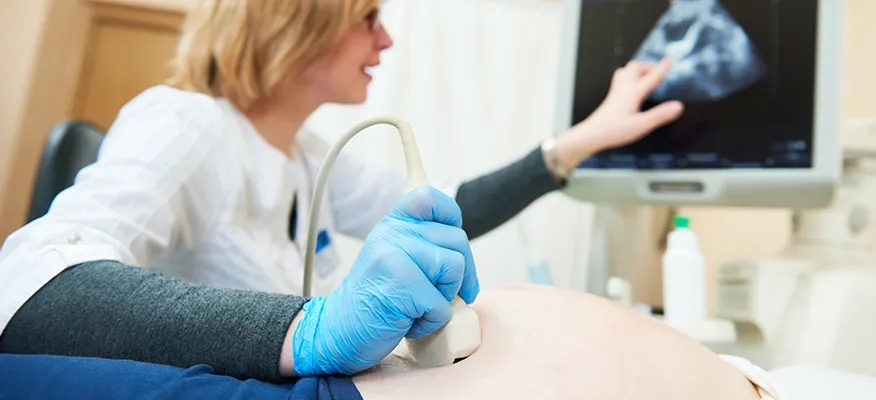
- A range of tests like urine pregnancy tests, blood counts, ultrasounds, and specific disease screenings are conducted.
- While safe, these tests can vary in accuracy and sometimes cause anxiety or discomfort.
- Normal results bring reassurance, while abnormal findings might cause distress but also prepare parents for potential challenges.
Rate Our Article
We'd love to know!
- 0
- 0
- 0
- 0
Related articles
See AllFrequently asked questions
Get the information you need.
Prenatal tests are medical examinations done during pregnancy to check the health of both the mother and the baby. They help identify risks such as chromosomal abnormalities, genetic disorders, infections, and developmental issues. Early detection allows doctors to plan the right care, manage complications, and prepare parents for any special needs. These tests offer reassurance when results are normal and provide time for informed decision-making if any problems are detected.
Screening tests estimate the chances of the baby having certain disorders. They do not confirm a condition but help identify whether the pregnancy is at higher risk. Diagnostic tests, on the other hand, confirm the presence of a specific genetic or chromosomal condition. Screening tests are usually non-invasive and safe, while diagnostic tests may be slightly invasive and are recommended only when necessary or when screening indicates a higher risk.
During the first trimester, a combination of blood tests, ultrasound scans, and physical examinations are done. These include a urine pregnancy test, complete blood count, blood group and Rh factor testing, physical examinations, and an ultrasound between 11–14 weeks. Other key tests include the hCG test, Pregnancy-Associated Plasma Protein A (PAPP-A), Nuchal Translucency (NT) scan, and cell-free DNA/NIPS. In some cases, the doctor may recommend Chorionic Villus Sampling (CVS) to confirm chromosomal abnormalities.
Most prenatal tests—especially screening tests like blood tests and ultrasounds—are completely safe. They do not harm the mother or the baby. However, certain diagnostic tests like CVS or amniocentesis carry a very small risk of discomfort, bleeding, infection, or miscarriage. Doctors only recommend these invasive tests when the benefits outweigh the risks. Following medical guidance ensures a safe testing experience.
Prenatal tests are highly helpful but not 100% accurate. Screening tests show the probability of a condition but cannot confirm it. Diagnostic tests are more precise and can verify genetic or chromosomal issues. Factors such as timing, maternal health, and lab variations can affect accuracy. Doctors usually combine multiple test results to get a clearer picture, ensuring better understanding of the baby's health.
Abnormal results can be stressful, but they do not always mean your baby has a confirmed health issue. Screening tests only indicate an increased risk, so your doctor may recommend further diagnostic tests like CVS or amniocentesis. Healthcare providers will explain the findings, discuss the next steps, and offer counseling. Many parents find comfort and clarity after additional testing and expert guidance.
Diagnostic tests are usually recommended when screening tests show high risk, when the mother is above 35 years, or when there is a family history of genetic disorders. They are also suggested if an ultrasound shows physical abnormalities. These tests provide a clear diagnosis and help parents make informed decisions. Doctors evaluate each case individually before recommending them.
In the second and third trimesters, important tests include the anatomy scan, gestational diabetes test, Rh antibody screening if needed, repeat ultrasounds, and growth scans. Additional tests may include amniocentesis, maternal serum screening, Group B streptococcus testing, and assessments for preeclampsia. These help monitor the baby’s development, placenta health, and the mother’s overall well-being.
Prenatal tests can detect many major chromosomal disorders like Down syndrome, Edwards syndrome, and Patau syndrome, along with some structural defects. However, no test can detect every single birth defect or genetic condition. They provide valuable insights but have limitations. Doctors often combine ultrasound findings with blood tests to improve accuracy and understanding.
It is always advisable to discuss each recommended test with your doctor. Some tests are essential for monitoring pregnancy health, while others are optional based on age, medical history, or risk factors. Making informed decisions after understanding the purpose, benefits, and risks of each test ensures a safer pregnancy journey. Ultimately, the choice depends on your comfort and your healthcare provider’s guidance.
How was the experience with article?
We'd love to know!