Rambutan For Pregnant Women: Healthy Or Risky?
- By Cheng Kar Yeng
- 28 Oct 2025
- Verified by Dr. Kulyk Alexander Petrovich
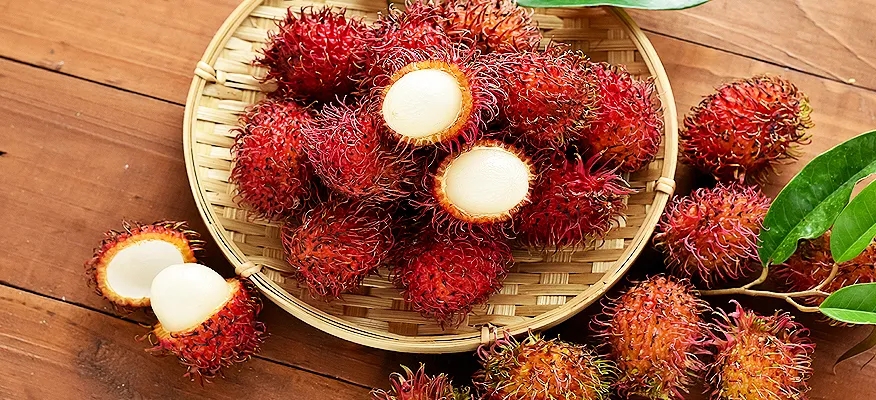
Key takeaways
- Rambutan provides essential nutrients that are beneficial for pregnancy.
- It provides vitamin C, iron, and fiber to support maternal health.
- Pregnant women should consume rambutan in moderation.
- Consider potential allergic reactions or digestive issues.
- Always consult a healthcare provider before making any diet changes during pregnancy.
Rate Our Article
We'd love to know!
- 0
- 0
- 0
- 0
Related articles
See AllFrequently asked questions
Get the information you need.
Yes, rambutan for pregnant women provides natural iron that helps improve hemoglobin levels and combats iron deficiency anemia, supporting energy levels and reducing pregnancy fatigue.
Eating about 3-5 ripe rambutans daily is considered safe during pregnancy. This moderate amount helps prevent excessive sugar intake and reduces digestive discomfort.
Yes, rambutan contains soluble and insoluble fiber that supports healthy digestion, prevents constipation common in pregnancy, and promotes a balanced gut microbiome for overall wellness.
While rare, some women may experience allergic reactions like hives or throat irritation. Pregnant women should watch for symptoms and consult their doctor if concerned.
Drinking rambutan juice is generally safe if made from fresh, fully ripe fruit and consumed moderately. Avoid versions with added sugars and unripe fruit juice.
Some experts advise caution during the first trimester due to traditional beliefs about heat-generating properties potentially increasing miscarriage risk. Consult your healthcare provider first.
Yes, the sweet and sour taste of rambutan may help alleviate nausea and vomiting associated with morning sickness in pregnant women by naturally soothing the stomach.
In moderation, rambutan can be included in a gestational diabetes diet due to its fiber content, but blood sugar levels should be carefully monitored.
Unripe rambutan is not recommended during pregnancy as it may cause digestive upset and contains higher levels of compounds that could be potentially harmful.
Excessive consumption may lead to raised blood sugar, digestive discomfort like bloating or cramping, and possible exposure to trace alcohol from overripe fruit.
Yes, eating too much rambutan quickly can cause bloating, gas, and indigestion due to high fiber content. Increase intake gradually and drink plenty of water.
Wash rambutan thoroughly, eat only fully ripe fruit, avoid the skin and seeds completely, and consume in moderation to ensure safety during pregnancy.
Safe tropical fruits include mango, ripe papaya, pineapple in moderation, banana, and guava. All provide essential vitamins and fiber, which are beneficial for pregnant women.
How was the experience with article?
We'd love to know!