Understanding How Frequent Urination Is During Pregnancy
- By Dr. Pulyk Nataliya Omelanivna
- 24 Jul 2024
- Verified by Dr. Kulyk Alexander Petrovich
Key takeaways
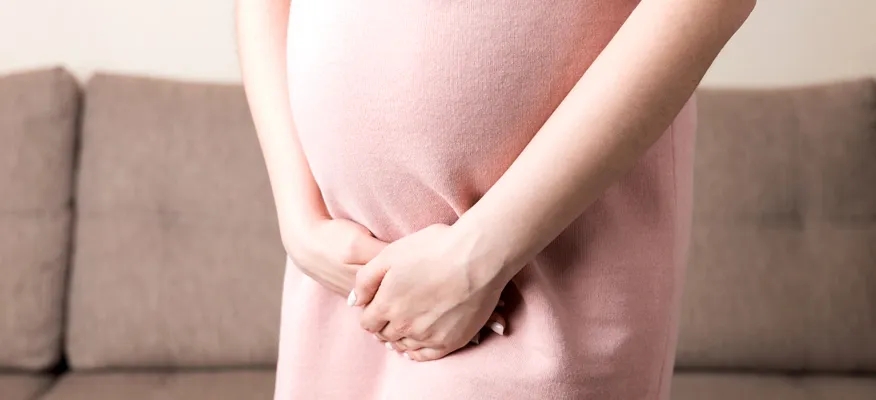
- Frequent urination in pregnancy is caused by hormonal changes and pressure on the bladder.
- Coping strategies include pelvic floor exercises, fluid management, and lifestyle adjustments.
- Red flags for medical attention during pregnancy include unusual pain, breathing difficulties, and unexplained bleeding.
- Regular prenatal check-ups are essential for monitoring fetal health and preparing for a smooth delivery.
- Prioritize self-care and professional guidance for a healthy pregnancy journey.
Rate Our Article
We'd love to know!
- 0
- 1
- 0
- 0
Related articles
See AllFrequently asked questions
Get the information you need.
Frequent urination during pregnancy is primarily caused by hormonal changes and the physical pressure of the growing uterus on the bladder. Hormones like human chorionic gonadotropin (hCG) and progesterone increase blood flow to the kidneys and relax smooth muscles, causing the bladder to fill more quickly. As a result, you feel the need to urinate more often. This is a natural and expected part of pregnancy, especially during the first and third trimesters, and is generally not a cause for concern unless accompanied by pain, blood, or unusual symptoms.
Yes, frequent urination is normal in early pregnancy. In the first trimester, increased levels of hCG and progesterone boost blood circulation and kidney activity, which causes the bladder to fill faster. Even though the uterus is still small, it can press slightly on the bladder. This early increase in urination is one of the first physical signs many women notice and is usually harmless, provided there are no symptoms of infection or other complications.
While increased urination is expected, urinating more than eight to ten times a day or waking frequently at night to urinate can sometimes indicate an underlying issue. It is considered “too much” if it interferes with daily activities, causes pain, burning, or comes with other symptoms like blood in urine or fever. If urination frequency suddenly spikes or is accompanied by discomfort, it is important to consult a healthcare provider to rule out urinary tract infections, gestational diabetes, or other complications.
In most cases, frequent urination is a normal part of pregnancy and not a sign of a problem. However, it can indicate an underlying condition if accompanied by other symptoms such as pain, burning, blood in urine, fever, or sudden changes in urination patterns. Conditions like urinary tract infections, gestational diabetes, or bladder issues may require medical attention. Regular monitoring and reporting unusual symptoms to a healthcare provider can ensure both mother and baby remain healthy.
Nighttime urination, also called nocturia, is common during pregnancy. It is caused by hormonal changes that increase blood flow to the kidneys, combined with pressure from the growing uterus on the bladder, which reduces its capacity. In early pregnancy, frequent nighttime urination can be pronounced due to hormonal changes, while in the third trimester, it increases again because the baby’s head may press directly on the bladder. Staying hydrated during the day but limiting fluids before bed can help reduce nighttime trips to the bathroom.
Yes, frequent urination can sometimes indicate gestational diabetes, especially when accompanied by excessive thirst, fatigue, or unexplained weight changes. During pregnancy, the body may struggle to regulate blood sugar levels, leading to higher glucose in the urine and increased urination. It is important to get regular prenatal checkups and undergo recommended blood sugar screenings to detect gestational diabetes early and manage it effectively for the health of both mother and baby.
Frequent urination can be managed with lifestyle adjustments. Pelvic floor exercises (Kegels) help strengthen the muscles supporting the bladder. Reducing fluid intake in the evening while staying well-hydrated during the day can also help. Scheduled bathroom breaks, sleeping on your side, and elevating your legs to reduce fluid buildup may further reduce the urgency. Avoiding caffeinated drinks and practicing relaxation techniques can also ease bladder pressure. While frequent urination is normal, persistent discomfort should be discussed with a healthcare provider.
Drinking more water does increase the volume of urine, but staying hydrated is essential for both the mother and baby. Proper hydration supports increased blood volume, amniotic fluid, and kidney function. Instead of reducing overall water intake, it is better to time fluids strategically—drinking more during the day and limiting intake in the evening to help reduce nighttime urination. Dehydration can be more harmful than the inconvenience of frequent urination, so maintaining a healthy fluid balance is crucial.
Yes, urinary tract infections (UTIs) can cause frequent urination during pregnancy. Infections irritate the bladder and urinary tract, leading to urgency, burning, pain, or cloudy and foul-smelling urine. Pregnant women are more prone to UTIs due to hormonal and anatomical changes. Early diagnosis and treatment with doctor-approved antibiotics are critical to prevent complications such as kidney infections, preterm labor, or low birth weight. Any unusual urinary symptoms during pregnancy should prompt medical evaluation.
Frequent urination in the third trimester is often more pronounced than in early pregnancy. This is primarily due to the significant growth of the uterus and the pressure of the baby’s head on the bladder. Hormones like progesterone also relax the bladder muscles, reducing the ability to hold urine. While early pregnancy urination is mostly hormonally driven, third-trimester urination is influenced both by hormones and mechanical pressure from the growing baby.
Pelvic floor exercises, such as Kegels, are highly effective in managing frequent urination. These exercises strengthen the muscles that support the bladder, uterus, and bowel, improving bladder control and reducing urgency. Pelvic tilts can also help by strengthening core and pelvic muscles while alleviating back pressure. Practicing these exercises consistently, ideally under the guidance of a healthcare provider or prenatal physiotherapist, can improve bladder function and provide relief during pregnancy.
You should see a doctor if frequent urination is accompanied by pain, burning, blood in urine, cloudy urine, fever, sudden swelling, or other unusual symptoms. These may indicate urinary tract infections, gestational diabetes, or other complications. Additionally, sudden changes in urination frequency or intensity should not be ignored. Regular prenatal checkups are essential for monitoring these symptoms and ensuring the health of both mother and baby.
Frequent urination by itself usually does not affect the baby’s health and is considered a normal part of pregnancy. However, if it is caused by dehydration, urinary tract infections, or gestational diabetes, it can indirectly impact the baby’s health. Proper hydration, early treatment of infections, and monitoring blood sugar levels are essential to ensure the baby remains healthy. Regular prenatal care helps detect and address any underlying conditions that may affect fetal development.
As pregnancy progresses, the uterus expands to accommodate the developing baby, placing direct pressure on the bladder. This reduces the bladder’s capacity, causing the need to urinate more frequently. In the first trimester, hormonal changes contribute more to urinary frequency, while in the third trimester, mechanical pressure from the baby becomes the dominant factor. Understanding this physiological change helps expectant mothers manage expectations and plan for bathroom breaks throughout the day.
Yes, several safe remedies and lifestyle changes can help manage frequent urination. These include performing pelvic floor exercises, scheduling bathroom breaks, limiting fluid intake before bedtime, staying hydrated during the day, avoiding caffeine, and sleeping in supportive positions. Gentle prenatal exercises, resting and elevating the legs, and practicing mindfulness and deep-breathing techniques can further ease discomfort. These strategies, combined with regular prenatal checkups, help manage frequent urination while ensuring the safety and health of both mother and baby.
How was the experience with article?
We'd love to know!