Understanding The Connection Between Nutrition And Skin Aging
- By GHBY Team
- 18 Oct 2023
- Verified by Rama Manikumar
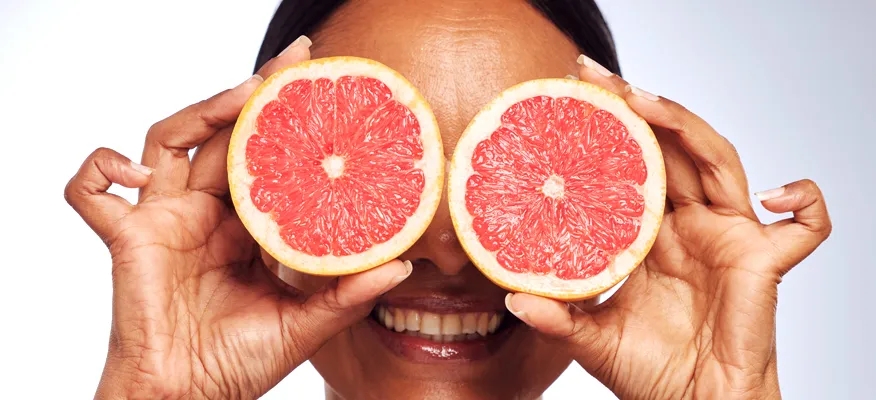
Key takeaways
- Collagen, the protein responsible for skin’s elasticity, can be supported by nutrients like vitamin C and copper.
- Antioxidants found in fruits and vegetables protect the skin from free radical damage and oxidative stress.
- Omega-3 fatty acids, present in certain seeds, can reduce inflammation and maintain skin hydration.
- A diverse diet including berries, citrus fruits, nuts, seeds, and leafy greens can provide the necessary nutrients for healthy skin.
- High sugar and processed foods can accelerate skin aging, so minimize their consumption.
- Managing stress, getting quality sleep, and avoiding smoking contribute to overall skin health.
Rate Our Article
We'd love to know!
- 0
- 0
- 0
- 0
- Pullar, J. M., Carr, A. C., & Vissers, M. (2017). The roles of vitamin C in skin health. Nutrients, 9(8), 866
- Kim, H. H., & Cho, S. (2018). Nutrition and skin aging: Research and developments. Clinics in Dermatology, 36(3), 369-374
- Schagen, S. K., Zampeli, V. A., Makrantonaki, E., & Zouboulis, C. C. (2012). Discovering the link between nutrition and skin aging. Dermato-Endocrinology, 4(3), 298-307.
- Boelsma, E., Hendriks, H. F., & Roza, L. (2001). Nutritional skin care: health effects of micronutrients and fatty acids. The American Journal of Clinical Nutrition, 73(5), 853-864
- Danby, F. W. (2010). Nutrition and aging skin: sugar and glycation. Clinics in Dermatology, 28(4), 409-411
Related articles
See AllFrequently asked questions
Get the information you need.
While proper nutrition can significantly improve the health and appearance of your skin, it's unlikely to completely reverse all signs of aging. However, a well-balanced diet can slow down the aging process and help maintain youthful skin.
The time it takes to see noticeable improvements in your skin can vary depending on various factors, including your current diet, genetics, and overall health. Generally, it may take a few weeks to a few months of consistently eating a skin-friendly diet to observe positive changes.
While supplements can be helpful, it's generally better to obtain essential nutrients from whole foods. Whole foods offer a broader range of nutrients and are typically better absorbed by the body. If you're considering supplements, consult with a healthcare professional to ensure they're appropriate for you.
Yes, occasional indulgences are perfectly fine. The key is moderation. Enjoying treats like chocolate or a glass of wine in moderation is unlikely to have a significant negative impact on your skin. The key is to maintain a balanced and varied diet overall.
For some individuals, certain foods may trigger or worsen skin conditions like acne. Common culprits include dairy products and high-glycemic foods like sugary snacks and white bread. If you suspect a particular food is affecting your skin, consider keeping a food diary and consulting a dermatologist or healthcare provider for guidance.
Remember that everyone’s skin is unique, so what works for one person may not work the same way for another. Tailor your diet and skincare routine to your specific needs and consult with healthcare professionals for personalized advice.
Nutrition plays a vital role in how your skin ages. A balanced diet rich in vitamins, antioxidants, healthy fats, and collagen-boosting nutrients helps protect skin from damage, supports elasticity, and reduces the appearance of wrinkles and fine lines. Nutrients like vitamin C, vitamin E, omega-3 fatty acids, and proteins support collagen production, hydration, and skin repair. On the other hand, a diet high in sugar, processed foods, and unhealthy fats can accelerate skin aging by increasing inflammation, oxidative stress, and collagen breakdown.
Several vitamins are essential for maintaining youthful, healthy skin and slowing down the signs of aging. Vitamin C is one of the most powerful antioxidants; it supports collagen production, brightens the skin, and protects against sun damage. Vitamin E helps protect the skin from oxidative stress caused by free radicals and supports skin healing and moisture retention. Vitamin A, often in the form of retinol, promotes cell turnover and reduces the appearance of wrinkles and fine lines. Vitamin D supports skin repair and immune function, while Vitamin B3 (niacinamide) helps improve skin elasticity, tone, and texture. Including these vitamins in your diet or skincare routine can significantly enhance skin health and slow the aging process.
Yes, certain foods can help slow down skin aging by providing essential nutrients that support skin health, collagen production, and protection from environmental damage. Foods rich in antioxidants—such as berries, leafy greens, and citrus fruits—help neutralize free radicals that contribute to premature aging. Fatty fish like salmon and plant-based omega-3 sources like flaxseeds and walnuts reduce inflammation and keep the skin hydrated. Nuts and seeds provide Vitamin E and healthy fats that promote skin elasticity. Additionally, foods high in Vitamin C like oranges and bell peppers aid collagen synthesis, keeping skin firm and youthful. Including these nutrient-dense foods in your diet can naturally support healthier, more resilient skin over time.
Several key nutrients play a vital role in boosting collagen production and maintaining skin elasticity:
- Vitamin C: Essential for collagen synthesis, it helps stabilize and strengthen the collagen molecules. Found in citrus fruits, strawberries, and bell peppers.
- Amino Acids: Especially proline and glycine, which are the building blocks of collagen. These come from protein-rich foods like legumes.
- Copper: Supports the formation of collagen and elastin. Sources include nuts, seeds, shellfish, and whole grains.
- Zinc: Aids in collagen production and repair of damaged tissues. Found in pumpkin seeds, meat, and lentils.
- Sulfur: Helps maintain skin structure and collagen strength. Present in onions, garlic, and cruciferous vegetables.
Including these nutrients in your daily diet can help stimulate collagen production, resulting in firmer, more youthful-looking skin.
Antioxidants protect the skin from aging by neutralizing free radicals—unstable molecules caused by factors like UV rays, pollution, and stress. These free radicals can damage skin cells, break down collagen, and accelerate the formation of wrinkles, fine lines, and age spots.
By fighting oxidative stress, antioxidants help preserve the skin’s structure, improve elasticity, and reduce inflammation. Key antioxidants like vitamin C, vitamin E, beta-carotene, and polyphenols (found in berries, green tea, and leafy greens) promote skin repair, enhance radiance, and slow down visible signs of aging. Regular intake through diet or skincare can keep the skin youthful and healthy.
Yes, a healthy diet can naturally help reduce wrinkles and fine lines. Nutrient-rich foods support skin health from within by boosting collagen production, improving hydration, and protecting against damage. For example, vitamin C (found in citrus fruits and berries) aids in collagen synthesis, while omega-3 fatty acids (from walnuts, flaxseeds, and fatty fish) keep the skin plump and moisturized.
Antioxidants like vitamin E and beta-carotene fight free radicals that cause premature aging. Staying hydrated and limiting sugar, processed foods, and alcohol can further prevent skin sagging and wrinkle formation. Combined with a healthy lifestyle, a balanced diet can play a powerful role in keeping your skin youthful and smooth.
Yes, vitamin C is highly beneficial for skin tightening and enhancing your natural glow. It plays a key role in collagen production, a protein that maintains the skin's firmness and elasticity—helping to tighten sagging skin and reduce the appearance of fine lines.
Vitamin C is also a powerful antioxidant that protects the skin from free radical damage caused by UV rays and pollution. Additionally, it helps brighten the complexion by reducing dark spots and promoting a more even skin tone. Regular intake of vitamin C—both through diet (like citrus fruits, strawberries, and bell peppers) and topical products—can lead to firmer, smoother, and more radiant skin.
Protein is essential for skin health and plays a critical role in slowing the aging process. It provides the building blocks (amino acids) needed for the production of collagen and elastin, two vital proteins that maintain the skin’s strength, elasticity, and firmness. A lack of adequate protein can lead to sagging skin, wrinkles, and a dull complexion over time.
Protein also supports tissue repair, promotes cell regeneration, and strengthens the skin barrier, helping it stay hydrated and resilient. Including high-quality protein sources like lean meats, eggs, dairy, legumes, nuts, and seeds in your diet can significantly contribute to healthier, more youthful-looking skin.
In addition to good nutrition, several lifestyle habits play a vital role in maintaining youthful, radiant skin:
- Hydration – Drinking enough water keeps skin hydrated, supple, and helps flush out toxins.
- Sun Protection – Wearing sunscreen daily protects against UV damage, which is the leading cause of premature aging, wrinkles, and sunspots.
- Quality Sleep – Getting 7–9 hours of sleep promotes skin cell regeneration and repair, reducing signs of fatigue and aging.
- Stress Management – Chronic stress increases cortisol levels, which can break down collagen and trigger skin issues like acne and dullness. Practices like yoga, meditation, or deep breathing help.
- Regular Exercise – Physical activity boosts blood circulation, which delivers oxygen and nutrients to the skin, supporting a healthy glow.
- Avoiding Smoking and Excess Alcohol – Smoking and heavy alcohol intake can accelerate skin aging by depleting nutrients and damaging collagen and elastin.
Combining these habits with a balanced diet can help preserve your skin’s youthful appearance and delay signs of aging.
Yes, excessive sugar intake can accelerate skin aging through a process called glycation. When you consume too much sugar, it binds with proteins in your bloodstream, forming harmful molecules called advanced glycation end products (AGEs). These AGEs damage collagen and elastin—the proteins responsible for keeping your skin firm, smooth, and elastic.
As a result, your skin becomes more prone to wrinkles, sagging, and dullness. Additionally, high sugar diets can lead to inflammation, which further contributes to premature aging and common skin issues like acne and redness.
Cutting back on sugary foods and processed carbohydrates can help maintain youthful, healthy skin over time.
How was the experience with article?
We'd love to know!