How To Identify The Undertone Of Your Skin
- By GHBY Team
- 17 Oct 2023
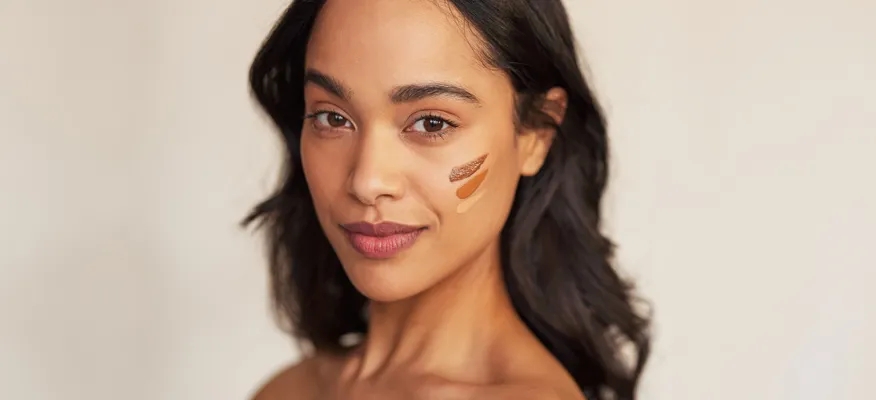
Key takeaways
- Identify your skin undertone from warm, cool or neutral
- Observe tan, jewelry, hair and eye color to help you determine your skin undertone
- Choose colors that flatter your complexion and skin undertone
- Enhance your natural beauty with makeup and clothing accessories that complement your skin undertone
- Skin undertone can guide you in creating confident and harmonious style
Rate Our Article
We'd love to know!
- 0
- 0
- 0
- 2
- Scott-Vincent Borba, "Skintervention: The Personalized Solution for Healthier, Younger, and Flawless-Looking Skin," 2011.
- Carla Mason, "The Power of Color: Discover the Color Code That Will Bring Out the Best in You," 2006.
Related articles
See AllFrequently asked questions
Get the information you need.
To determine your undertone, look at the veins on the underside of your wrist. If they appear more bluish or purple, you likely have cool undertones. If they appear greenish, you likely have warm undertones. If it's challenging to tell, you might have neutral undertones.
Neutral undertones are versatile and can pull off a wide range of hair colors. Shades like medium brown, honey blonde, or auburn tend to complement neutral skin tones well.
Skin tone refers to the surface color of your skin, which can be fair, medium, dark, or any shade in between. Skin undertone, on the other hand, is the subtle hue underneath your skin's surface, which can be cool (bluish or pinkish), warm (yellow or peachy), or neutral (a mix of cool and warm).
Green veins typically indicate warm undertones. However, consider other factors like how certain jewelry or clothing colors make your skin look to confirm your undertone.
People with neutral undertones can wear a wide range of colors, but earthy tones, jewel tones, and pastels often look particularly flattering. Experiment to find the specific shades that suit you best.
Asian skin tones can vary, but many Asians tend to have warm or neutral undertones. However, undertones can differ among individuals, so it's essential to determine your specific undertone.
To counteract a yellow undertone in your skin, you can use makeup products like color-correcting primers or foundations with cooler undertones (pink or neutral). Additionally, using skincare products with ingredients like niacinamide can help brighten and even out your complexion over time.
Yes, you can have a tan complexion with cool undertones. Your undertone is independent of your skin's level of tan or pigmentation. The key is to choose makeup and clothing colors that complement your cool undertones, even when you have a tan.
To determine if you have a warm, cool, or neutral undertone, start by observing the veins on your wrist in natural light. If they appear blue or purple, you likely have a cool undertone. If they look greenish, your undertone is probably warm. If it’s hard to tell or they appear bluish-green, you may have a neutral undertone. You can also assess how your skin reacts to sun exposure—cool undertones tend to burn easily, while warm undertones tan more easily. Additionally, try the jewelry test: gold jewelry usually flatters warm undertones, while silver complements cool undertones. If both look equally good on you, your undertone is likely neutral.
Jewelry color can help enhance your natural skin undertone. If you have a cool undertone, silver jewelry tends to look more flattering, as it complements the pink, red, or bluish tones in your skin. For warm undertones, gold jewelry enhances the yellow, peachy, or golden hues in your skin. If you have a neutral undertone, you're in luck—both gold and silver jewelry usually suit your skin well, giving you more flexibility to mix and match based on your outfit or preference.
No, sun exposure cannot change your skin undertone. Your undertone is the underlying hue beneath your skin’s surface, and it remains constant throughout your life. While sun exposure can darken your overall skin tone or cause tanning, it doesn’t alter your undertone, which is either warm, cool, or neutral. For example, even if your skin gets tanned from the sun, the golden, peach, or pink hues that define your undertone will stay the same. This is why your undertone is a more reliable guide for choosing makeup or clothing shades than your changing surface skin tone.
To choose the right foundation for your undertone, start by identifying whether your undertone is warm, cool, or neutral. If you have warm undertones, look for foundation shades labeled with terms like “golden,” “yellow,” or “warm.” For cool undertones, choose shades described as “rose,” “pink,” or “cool.” If you have neutral undertones, go for foundations that mention “neutral” or balance both pink and yellow tones.
Test a few shades along your jawline or neck in natural light, and the one that seems to disappear seamlessly into your skin is your best match. Don’t rely on your face alone—sometimes your face can be lighter or darker than your neck, so blending should look natural across both areas.
Yes, you can have a different skin tone and undertone. Skin tone refers to the surface color of your skin, which can change due to sun exposure, weather, or skin conditions. It ranges from fair to deep. On the other hand, your undertone is the subtle hue beneath the surface and stays the same regardless of tanning or changes in your skin tone.
For example, someone might have a medium or tan skin tone with cool undertones, or fair skin with warm undertones. That’s why it’s important to match makeup, especially foundation and concealer, to both your skin tone and undertone for the most natural look.
How was the experience with article?
We'd love to know!