How Alcohol Affects Stress And Anxiety
- By Dr. Sharmila Samararanayake
- 15 Jun 2023
- Verified by Dr. Lozynska Liudmyla Yaroslavivna
Key takeaways
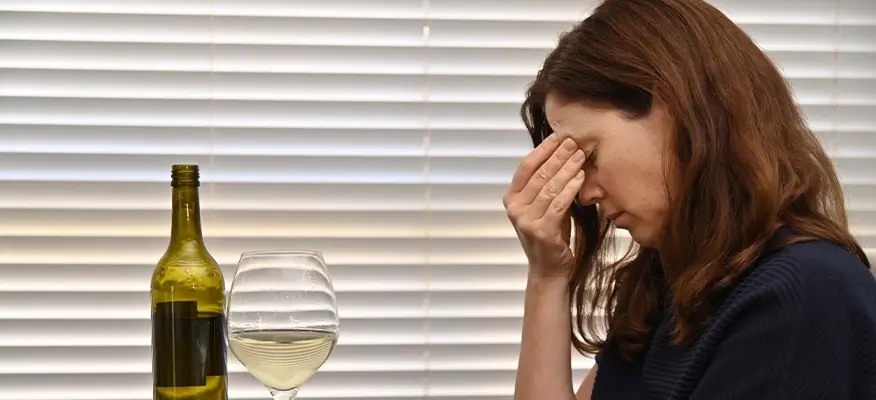
- Stress and anxiety are common mental health conditions. Many people resort to alcohol consumption for temporary relief from their stress and anxiety symptoms.
- It is important to understand that alcohol alters brain chemistry and, when consumed in the long term, can aggravate anxiety and stress effects.
- People who are stressed are also more likely to resort to alcoholism. Increased anxiety and stress are also symptoms of alcohol withdrawal.
- Alcohol consumption also affects other stress-relieving practices, like exercising, seeking counselling and practicing mindfulness.
Rate Our Article
We'd love to know!
- 0
- 0
- 0
- 0
Related articles
See AllFrequently asked questions
Get the information you need.
This is depression triggered by heavy or long-term drinking. Alcohol lowers mood-regulating chemicals like serotonin and dopamine, leading to sadness, hopelessness, and in some cases, clinical depression.
Health experts recommend moderation: up to one drink a day for women and up to two for men. But “safe” varies by age, health, and lifestyle — for some people, no amount is risk-free.
Yes. Cutting alcohol helps to restore hormonal balance, promotes sleep, and reduces anxiety. Many people report that quitting has improved their ability to deal with daily stress.
For some, yes — it’s used to numb stress or emotions. But it’s a short-term escape that often makes underlying problems worse, creating a cycle of dependence.
Binge drinking overwhelms the body, straining the liver and brain. It can cause accidents, memory blackouts, mood swings, and raise the risk of long-term addiction and mental health problems.
Yes. Alcohol raises heart rate, lowers blood sugar, and disturbs brain chemicals, which can trigger or intensify panic attacks in sensitive people.
How was the experience with article?
We'd love to know!