Understanding Stress: Signs and Symptoms of Stress
- By Dr. Burtseva Tamara Viktorivna
- 05 Jun 2023
- Verified by Dr. Iunis Galina Ivanovna
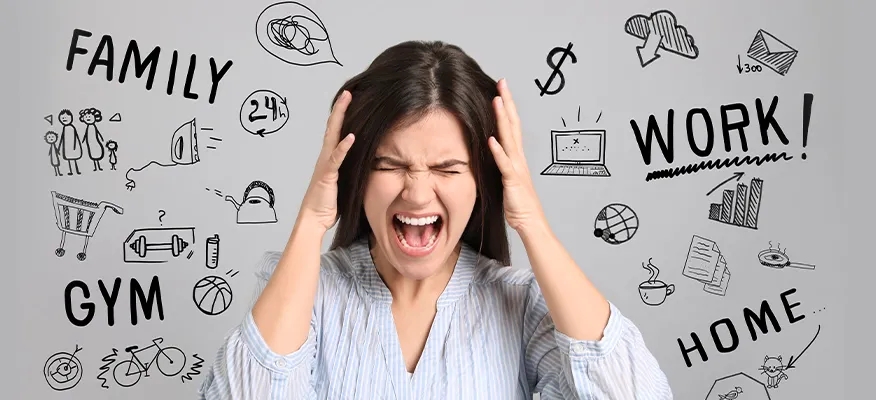
Key takeaways
- Stress has become the unfortunate 'new normal' in today's times of uncertainty and technological overuse.
- While some amount of stress is helpful for the human system, long-drawn, severe, chronic stress leads to several physical and emotional problems.
- Financial troubles, heavy workload, abuse, discrimination, events like the pandemic are a few factors that cause mental stress.
- Mental stress is symptomized by various factors like headaches, sweating, mood swings, over-eating, depression, and aggression.
- Getting physically fit, eating right, indulging in self-care, and taking professional help when needed are some good ways to release stress.
Rate Our Article
We'd love to know!
- 0
- 0
- 0
- 0
- Stress Management: How to Tell the Difference Between Good and Bad Stress
- Psychological distress experiences of Nigerians during Covid-19 pandemic; the gender difference:
- Does prolonged stress enhance coping? Nigerian healthcare providers and COVID-19-related stress management: Pats journal
- Prevalence and changes in boredom, anxiety, and well-being among Ghanaians during the COVID-19 pandemic: a population-based study: PMC Public Health
- Stress, major causes of illnesses in Nigeria: Vanguard
- Why stress happens and how to manage it: Medical News Today
- Stress management: Mayo Clinic
- Sri Lanka: One in three families see changes in children's mental health amid economic crisis: Relief Web
Related articles
See AllFrequently asked questions
Get the information you need.
Stress is a temporary mental and physical reaction to external pressure, while anxiety is persistent worry, fear and unease without a clear cause.
Yes, prolonged or chronic stress can cause a wide range of physical and mental illnesses, including heart disease, high blood pressure, digestive problems, weakened immunity, and other conditions.
If you experience constant fatigue, difficulty sleeping, headaches, digestive issues, muscle tension, and changes in mood or behavior, or a combination of these symptoms over time, it may indicate chronic stress.
When your mental or physical strain exceeds your ability to cope, you may feel constantly drained, irritable, or unable to manage daily tasks. This prolonged overload can lead to burnout and serious health consequences.
Practicing deep breathing exercises, taking short walks, listening to calming music, or talking to someone you trust can help you feel better quickly.
How was the experience with article?
We'd love to know!